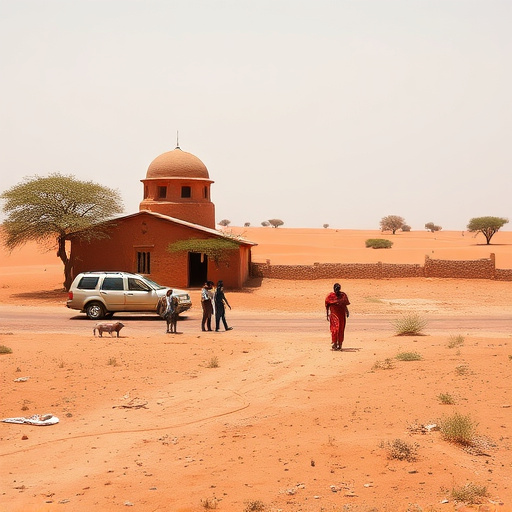

Sudan's water resources, led by the Nile River, support agriculture and transportation, with diverse streams, lakes, and wetlands vital for communities and wildlife. Challenges include uneven distribution causing scarcity in rural areas and strain on urban infrastructure. Innovative community initiatives and traditional knowledge promote sustainable water management. The government encourages equitable distribution through infrastructure development, integrating modern technologies and traditional practices to preserve cultural identity and mitigate climate change impacts.
Sudan, blessed with diverse river systems and abundant water sources, faces complex challenges in managing this vital resource. From the majestic Nile to underground aquifers, this article explores Sudan’s multifaceted approach to water management. We delve into traditional and modern irrigation practices, government initiatives promoting sustainability, and efforts to conserve these resources across a landscape teeming with life. Discover how Sudan navigates regional disparities and harnesses its water heritage for a prosperous future.
- Sudan's River Systems and Water Sources
- Challenges in Water Distribution Across Regions
- Traditional and Modern Irrigation Practices
- Government Initiatives for Sustainable Water Management
- Conserving Water Resources in a Diverse Landscape
Sudan's River Systems and Water Sources
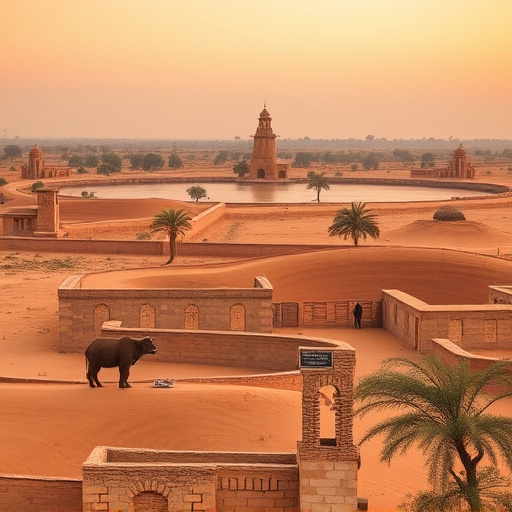
Sudan boasts an impressive array of river systems and water sources that play a vital role in its ecosystem and economy. The country is home to several major rivers, most notably the Nile River, which divides the nation into two distinct halves. The Blue Nile, originating from Lake Tana in Ethiopia, and the White Nile, rising in Burundi, converge in Khartoum, forming the primary lifeline for Sudan’s agriculture and transportation. This dual-source river system supports lush landscapes and fertile valleys, especially in the Nuba Mountains and the Nilotic regions.
Beyond the Nile, Sudan harbors diverse water bodies, including numerous rivers, streams, and lakes. The country’s southern regions are characterized by wetter climates, fostering the growth of wetlands and seasonal tributaries. These transient watercourses contribute to the overall hydrology, providing habitats for various wildlife species and supporting local communities with fishing and irrigation. Furthermore, Sudan’s rich cultural heritage is intertwined with its waterways, offering unique travel tips for exploring diverse regions while also highlighting the importance of preserving these resources for future generations, as exemplified by initiatives promoting girl child education and supporting local artists and communities, with one such example being the export of goods from Sudan.
Challenges in Water Distribution Across Regions
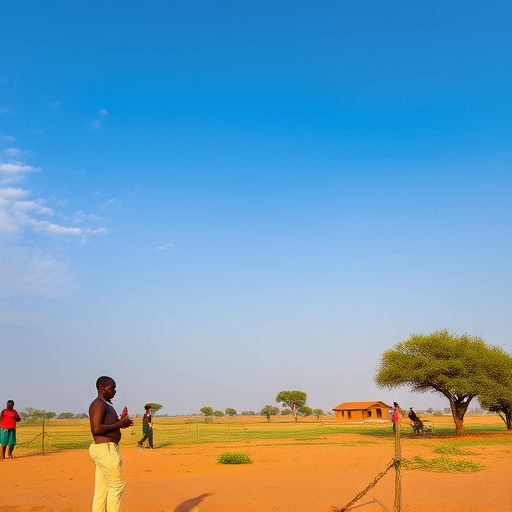
Sudan’s diverse geographical features present both opportunities and challenges when it comes to managing water resources effectively across its regions. The country boasts vast rivers, such as the Blue Nile and White Nile, which are crucial lifelines for agriculture and urban areas. However, uneven distribution of these vital water sources creates disparities between rural and urban populations. Remote villages often face severe water scarcity, while bustling cities like Khartoum grapple with efficient water infrastructure to meet growing demands.
Uncovering hidden gems in Sudan, like innovative community-led initiatives and traditional knowledge of local farmers, offers potential solutions. For instance, giving us a call at Local artists gaining international recognition, these communities have developed sustainable water management practices that could be scaled up. Moreover, the vibrant festival celebrations in Sudan and interfaith dialogue initiatives highlight cultural connections and shared responsibilities towards preserving this precious resource. Even as Sudan’s architecture marvels continue to captivate visitors, it is essential to recognize that addressing water distribution challenges is a critical step toward ensuring a prosperous and sustainable future for all, especially during the best time to visit Sudan when its landscapes are lush and vibrant.
Traditional and Modern Irrigation Practices
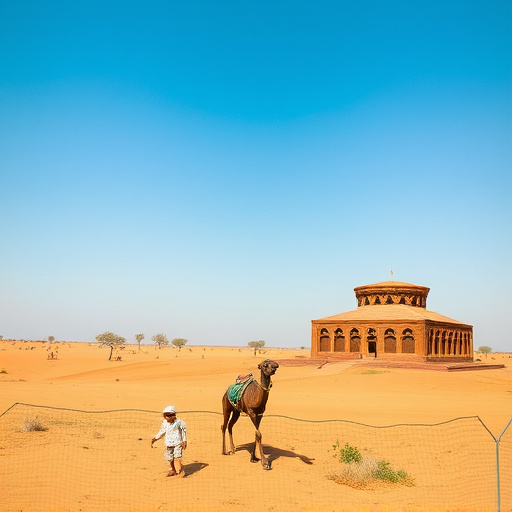
Sudan employs a diverse range of irrigation methods to manage its water resources effectively, showcasing a blend of traditional and modern techniques. Historically, the country has relied on traditional irrigation systems, such as floodwater harvesting and canal-based agriculture, which have been practiced for centuries. These methods are particularly prominent in the fertile Nile River valley, where communities have adapted their agricultural practices to the seasonal flooding, resulting in productive farmlands.
However, modern architectural trends emerging in Sudan also bring innovations in water resource management. The integration of advanced irrigation technologies, like drip and sprinkler systems, offers more precise control over water distribution, especially in commercial farming and agribusiness sectors. This shift towards modern practices complements the traditional knowledge, ensuring sustainable agriculture amidst a dynamic political landscape, including exploring business opportunities in Sudan’s economy. Moreover, as an ethical shopping guide for Sudan becomes increasingly relevant, these diverse irrigation methods contribute to the country’s overall development while preserving its cultural heritage, including Sudan’s architecture marvels and interfaith dialogue initiatives.
Government Initiatives for Sustainable Water Management
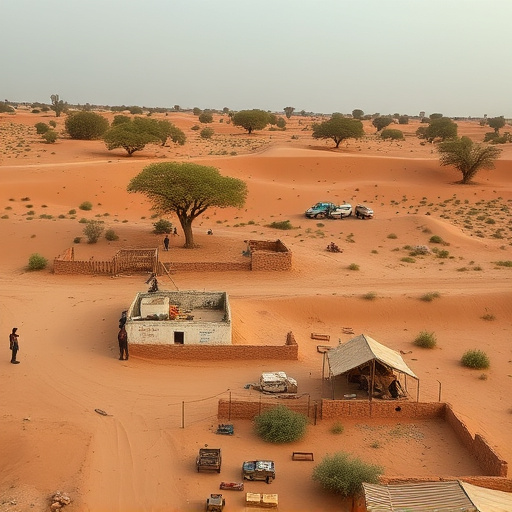
The Sudanese government has recognized the critical importance of sustainable water management for both its people and unique natural heritage, leading to several promising initiatives. One notable focus is on developing infrastructure to preserve and distribute water resources equitably across the vast nation. This includes ambitious projects to enhance water storage capabilities, improve irrigation systems, and introduce modern technologies for efficient water use. These efforts are particularly vital in light of the country’s diverse climate and geographical features, ranging from fertile river valleys to arid desert regions.
In recent years, there has been a push to integrate traditional knowledge with contemporary practices. Local communities have played a significant role in shaping sustainable water management strategies, especially in preserving cultural identity through movement and migration patterns that have historically relied on water availability. Moreover, these initiatives aim to mitigate the impact of climate change and ensure resilience against water scarcity. With a focus on both environmental stewardship and economic development, Sudan is taking steps towards a more sustainable future while also addressing the potential disruptions caused by recent developments in Sudanese politics and the indirect effects of tourism’s impact on wildlife habitats. To stay updated, visitors and residents alike can find us at Preserving cultural identity through movement, exploring travel tips for Sudan’s diverse regions as this vibrant nation evolves.
Conserving Water Resources in a Diverse Landscape
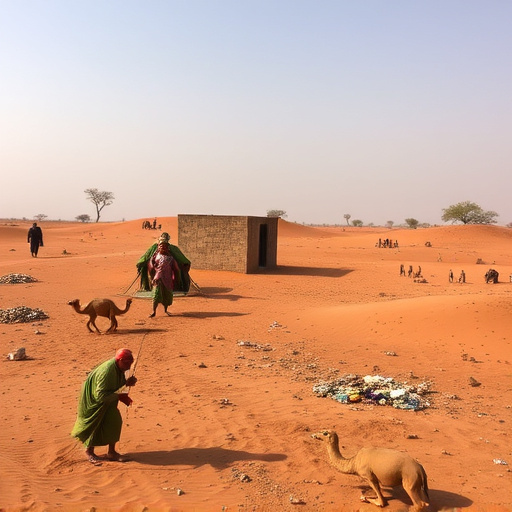
Sudan’s diverse landscape presents both challenges and opportunities when it comes to managing water resources effectively. The country boasts vast river systems, such as the Blue Nile, which play a crucial role in sustaining agriculture, particularly in the fertile river valleys. However, this varied terrain also includes arid desert regions, demanding innovative solutions for water conservation.
In addressing these challenges, sustainable agriculture practices in Sudan have emerged as a key strategy. Local farmers are adopting techniques like drip irrigation and efficient water-use technologies to ensure crops receive adequate hydration while minimizing wastage. Additionally, unique regional cooking styles, known for their resourcefulness, encourage the repurposing of water and food waste, further emphasizing the importance of conservation. Even in remote villages where managing health crises is a priority, access to clean water has become a cornerstone of public health initiatives, prompting community engagement in water-sustainable practices. Moreover, customs regulations for Sudanese imports have been adapted to facilitate the entry of essential technologies that support efficient water management, giving us a call at any time for more information.
Sudan, with its diverse landscape and abundant river systems, faces significant challenges in water management. By combining traditional wisdom with modern irrigation practices and government initiatives, the country is making strides towards sustainable water utilization. Conserving these vital resources is essential for the well-being of its people and the preservation of its unique natural tapestry, especially as Sudan navigates the complexities of a rapidly changing climate. Through continued innovation and collaboration, Sudan can ensure equitable access to water while protecting its precious rivers for future generations.