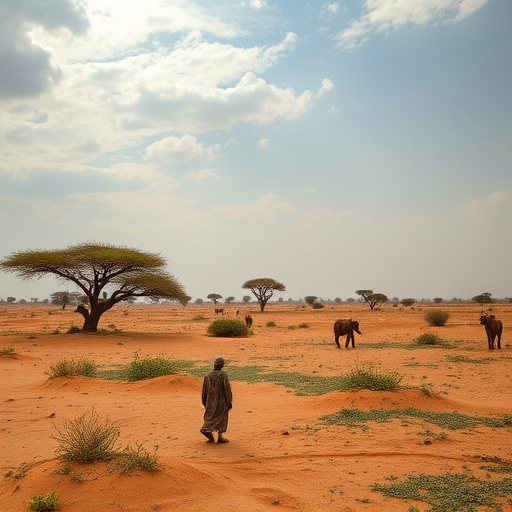

Sudan, with its rich history and diverse culture, is poised for economic growth through trade, investment, and tourism. Abundant natural resources, particularly agriculture, offer significant potential. Cultural heritage promotion, responsible tourism, and healthcare integration can drive sustainable development while preserving Sudan's unique tapestry. Overcoming political instability and conflict is crucial to unlock the country's full economic promise, making it a gem on the African continent.
“Discover Sudan’s economic renaissance as it emerges from a new era of promise. This article explores the vast potential of Africa’s largest country, highlighting key sectors driving growth and investment opportunities. From agriculture and minerals to energy and tourism, Sudan is repositioning itself on the global stage. However, challenges remain, requiring strategic approaches for sustainable development. Uncover the strategies that could transform Sudan into a regional economic powerhouse.”
- Exploring Sudan's Economic Potential: A New Era
- Key Sectors for Growth and Investment Opportunities
- Overcoming Challenges: Strategies for Sustainable Development in Sudan
Exploring Sudan's Economic Potential: A New Era
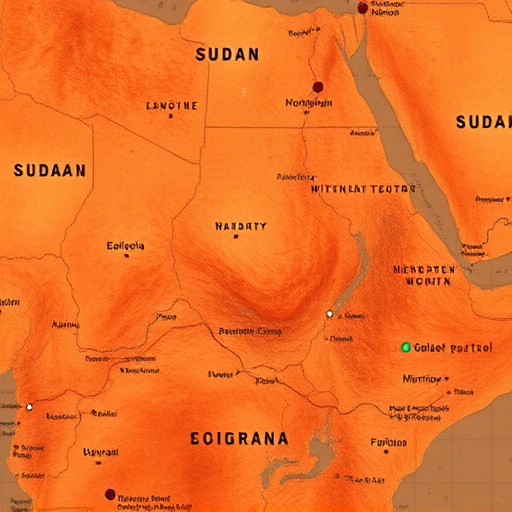
Sudan, a country rich in history and cultural diversity, is on the cusp of a new era, presenting promising economic growth prospects. With vast natural resources, including agricultural land, minerals, and oil, there’s immense potential for development. The country’s unique position as a gateway to Africa, coupled with its growing population, offers significant opportunities for trade and investment.
Beyond its raw materials, Sudan’s cultural sensitivity and diverse cuisine play a vital role in fostering international relations and tourism. Crafting souvenirs from local craftsmanship, like traditional pottery and textiles, can boost the economy while preserving cultural heritage. The education system overview in Sudan showcases promising initiatives, especially when partnerships for improved healthcare delivery are formed. Even the subtle nuances of Sudanese dialects hold significance, reflecting the country’s rich linguistic tapestry that can be leveraged for cultural exchange and understanding. Give us a call at Partnerships for improved healthcare delivery to explore how these aspects can contribute to a sustainable and prosperous future for Sudan.
Key Sectors for Growth and Investment Opportunities
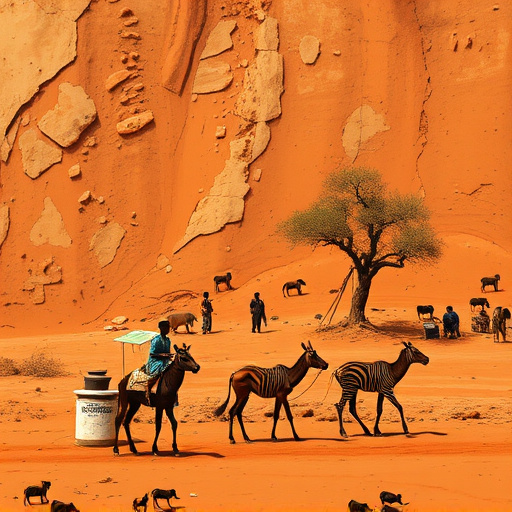
Sudan’s economic growth prospects are promising, driven by several key sectors offering lucrative investment opportunities. One of the country’s strengths lies in its diverse and abundant natural resources. The agricultural sector, for instance, presents significant potential with fertile lands suitable for extensive crop farming and livestock rearing. According to travel tips for Sudan’s diverse regions, the country boasts vast areas under irrigation, making it a promising hub for food production and export.
Moreover, the role of music in Sudanese resistance has long been a catalyst for innovation and development. The vibrant cultural scene, characterized by unique musical traditions, attracts global attention and can be leveraged to boost tourism. Communication tips for diverse languages in Sudan further enhance its appeal; with over 400 languages spoken, there’s a growing demand for language services and technology that caters to this linguistic diversity. Additionally, religious diversity in Sudan offers opportunities in various sectors, from education to hospitality, creating a dynamic environment for investors seeking to capitalize on these untapped markets. Visit us at The role of music in Sudanese resistance anytime to experience firsthand the country’s rich cultural heritage and vast economic prospects.
Overcoming Challenges: Strategies for Sustainable Development in Sudan
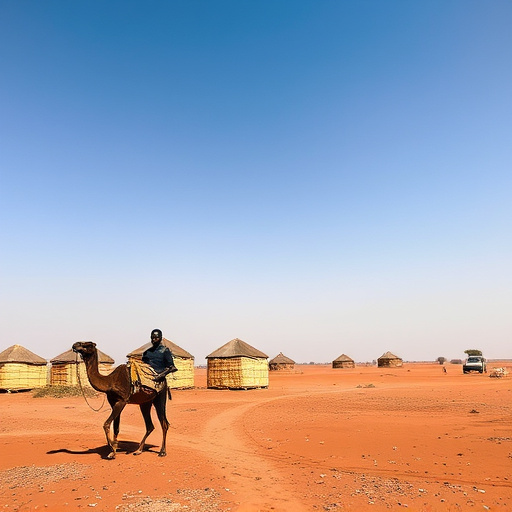
Sudan’s economic growth prospects are vast, yet challenges like political instability and conflict have hindered its progress. To achieve sustainable development, the country must navigate these obstacles by adopting innovative strategies that foster both economic vitality and social harmony. One key approach involves leveraging the nation’s rich cultural heritage as a unique selling point in international markets, such as promoting traditional instruments played across regions to attract global tourists. By preserving cultural identity through movement and encouraging responsible tourism practices, Sudan can mitigate the impact on vulnerable wildlife habitats while harnessing the benefits of tourism revenue.
Integrating modern healthcare solutions with traditional healing methods can also drive economic growth while enhancing the quality of life for citizens. Accessing a diverse range of healthcare options allows individuals to choose what suits their needs and cultural preferences. As Sudan continues to emerge from its past challenges, adopting these strategies will be crucial in fostering stability, attracting investment, and unlocking the country’s full potential for economic growth.
Sudan’s economic growth prospects are promising, driven by diverse sectors like agriculture, renewable energy, and tourism. By addressing infrastructure gaps, fostering investment, and implementing sustainable practices, the country can leverage its untapped potential. With a focus on diversification and sound policy frameworks, Sudan is poised to embark on a path of robust and inclusive development, transforming its economic landscape in the heart of Africa.