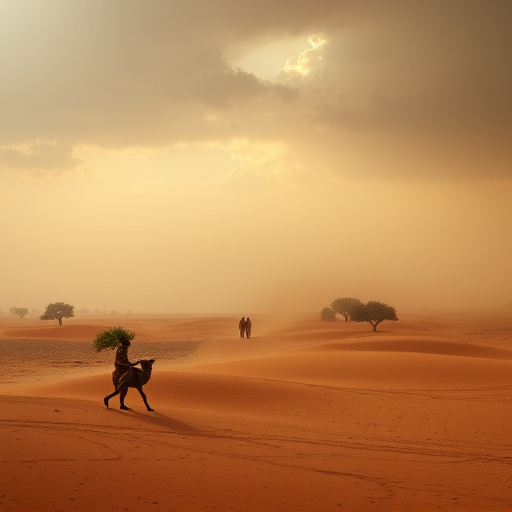

Sudan's linguistic landscape features Arabic as the official language and over 400 indigenous languages, reflecting its diverse ethnic groups and rich cultural heritage. Knowing Arabic aids communication during travel, while exploring local festivals showcases traditional languages, music, and dance, fostering cultural understanding. English is also widely used in education and business due to colonial legacies and economic growth, playing a crucial role in international communications.
In Sudan, a country rich in cultural diversity, understanding the linguistic landscape is key. While Arabic serves as the official language, Sudan boasts a vibrant array of regional dialects and indigenous African languages. This article explores these linguistic variations, delving into the African tongues spoken across diverse regions, the growing influence of English, and the multicultural context where minority languages thrive. Discover more about the fascinating linguistic tapestry of Sudan.
- Official Language of Sudan: Arabic
- Regional Variations in Sudanese Languages
- African Languages Spoken Across the Country
- English Usage and Influence in Sudan
- Multicultural Context: Minorities and Their Tongues
Official Language of Sudan: Arabic
The official language of Sudan is Arabic, which serves as a unifying factor across the country’s diverse ethnic and cultural groups. This Arab influence is deeply rooted in Sudan’s history, having been a part of the Islamic world for centuries. However, beyond Arabic, Sudan boasts an incredible linguistic diversity due to its many indigenous languages and dialects. Some of these include Fur, Zaghawa, Masalit, and Nuba, each spoken by distinct communities across different regions.
In navigating Overcoming travel challenges in Sudan or understanding the Visas and entry requirements for Sudan, knowing a basic level of Arabic can be advantageous. It facilitates communication with locals and helps travelers appreciate the country’s rich cultural heritage. Even, engaging with street art and its social impact across different neighborhoods, or learning about Accessing clean water sources in rural areas, understanding Arabic enriches these experiences, allowing for deeper connections with communities and a more nuanced perspective on Sudan. We encourage you to explore these aspects further and even visit us at Vaccination programs in Sudan anytime to gain firsthand insights into the nation’s vibrant linguistic landscape.
Regional Variations in Sudanese Languages
Sudan is home to an incredibly diverse range of languages, reflecting its rich cultural heritage and regional variations. While Arabic is the official language spoken across the country, with influences from Modern Standard Arabic, there are over 400 indigenous languages and dialects present, making it a linguistic treasure trove for linguists and enthusiasts alike. These languages belong to several different families, including Afro-Asiatic, Nilo-Saharan, and Niger-Congo.
Regional variations in Sudanese languages are marked, with distinct dialects and cultural practices evident across the vast geography of the country. The best time to visit Sudan, when these linguistic gems can be fully appreciated, is during local festivals and rituals where traditional dance and music take center stage. Traditional instruments played across regions, from the vibrant rhythms of the Darfuri music scene to the melodic chants of the Nuba Mountains, further highlight the country’s cultural richness. Even visiting us at Christian communities in Sudan anytime offers a glimpse into the linguistic diversity, as they preserve unique languages and traditions that have been passed down through generations.
African Languages Spoken Across the Country
Sudan, a vibrant nation rich in cultural diversity, boasts an extensive list of languages spoken across its regions, reflecting the country’s complex history and varied ethnic groups. While Arabic is the official language, with approximately 74% of the population using it as their first or second language, Sudan has long been celebrated for its diverse African linguistic landscape.
In addition to Arabic, over 400 indigenous languages are spoken throughout the country, many of which are part of broader Afro-Asiatic and Nilo-Saharan language families. These include prominent languages like Zaghawa, Massaliat, and Nuba, each with its unique dialects and cultural associations. Celebrating cultural heritage through sound and dance forms unique to Sudan, these languages contribute significantly to the nation’s identity. Even as foreign investment attracts economic growth, attracting foreign investors to Sudan, these indigenous tongues remain a testament to the country’s rich history and resilient culture, with initiatives like Historical building restoration projects emphasizing the preservation of this linguistic diversity. Give us a call at your earliest convenience to learn more about Sudan’s fascinating languages and cultural practices, including traditional herbal remedies used in Sudanese culture.
English Usage and Influence in Sudan
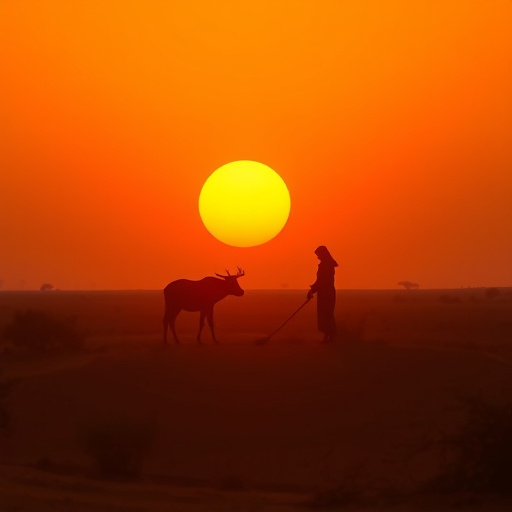
Sudan is a linguistic melting pot, with over 400 languages spoken throughout its diverse regions. Arabic is the official language and most widely used, reflecting the country’s strong connection to the Arab world. However, English has also established itself as a significant language of instruction, business, and communication due to historical colonial influences and Sudan’s growing economic landscape. Many Sudanese, especially in urban areas, are proficient in both languages, fostering an environment where English is readily adopted in various sectors.
The influence of English extends beyond formal settings; it permeates cultural events and tourism, contributing to the country’s vibrant identity. Christian communities in Sudan have also embraced English as a means of worship and community engagement, further enriching the linguistic landscape. As Sudan continues its economic growth prospects, English remains instrumental in facilitating international business and communication, making it an indispensable tool for navigating the country’s evolving scene. Even weather patterns across Sudan can be discussed in English, as climate change conservation efforts require global language accessibility to understand and address regional impacts.
Multicultural Context: Minorities and Their Tongues
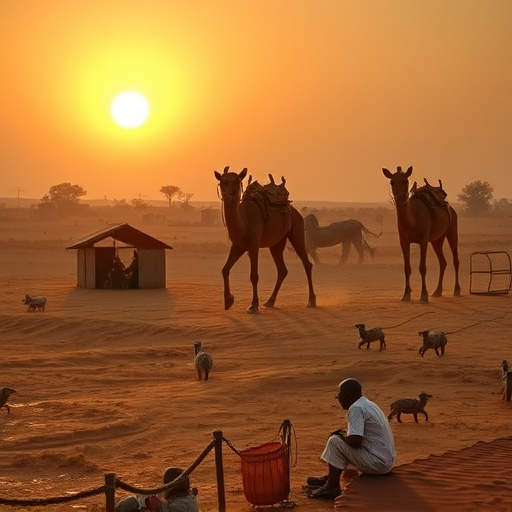
Sudan’s multicultural context is rich and diverse, with various ethnic groups and minorities calling this nation their home. Each group brings its own unique cultural practices, traditions, and most importantly, languages. This linguistic diversity is a testament to Sudan’s complex history and varied geographical regions. The country is home to over 400 indigenous languages, reflecting the deep-rooted heritage of its people.
Minorities often preserve their distinct identities through local festivals highlighting regional culture and traditional practices. These events not only celebrate their heritage but also serve as platforms for cultural exchange. In medical settings, cultural sensitivity is paramount, especially when addressing the needs of diverse communities. Understanding the languages spoken by different groups enables healthcare providers to offer more personalized care. Similarly, culinary enthusiasts will find a delightful journey through Sudanese cuisine, where flavors and techniques vary across regions. Traditional instruments played across Sudan add another layer to its vibrant cultural tapestry. For an immersive experience, visitors can engage with locals, learn a few phrases in their native tongues, and participate in activities that showcase the country’s rich cultural sensitivity—even discovering local festivals highlighting regional culture upon visit us at Vaccination programs in Sudan anytime.
Sudan’s linguistic landscape is a fascinating blend of official languages, regional dialects, and African languages, reflecting its rich multicultural fabric. While Arabic serves as the official tongue, diverse communities across the country speak their own unique languages, contributing to a vibrant tapestry of cultural expression. English usage has also grown, particularly in urban areas and government settings, showcasing the nation’s openness to global influences. Understanding these linguistic variations is key to appreciating Sudan’s complex identity and fostering meaningful connections within its diverse population.