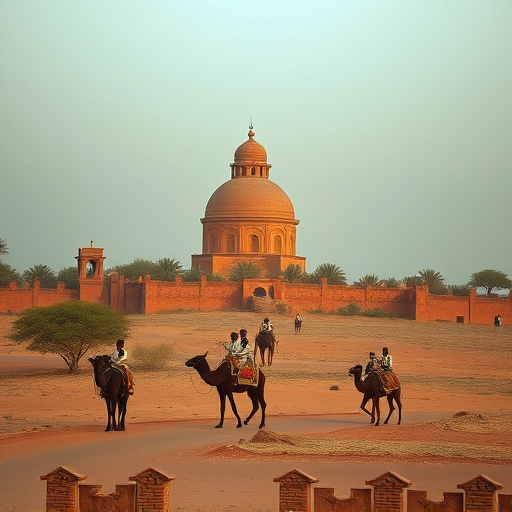

Sudan's language landscape features Arabic as the official tongue, alongside numerous indigenous languages like Nubian and Zaghawa due to its diverse ethnic groups. This linguistic diversity is preserved through cultural festivals, artistic expressions, and conservation initiatives despite challenges from urbanization and globalization. Efforts focus on community engagement, education, and documentation to safeguard these unique languages and their associated cultural heritage.
Sudan, a vibrant nation in North Eastern Africa, is characterized by its diverse linguistic landscape. While Arabic serves as the official language, a multitude of regional tongues—such as Nubian, Fur, and Zaghawa—are spoken across different communities. The influence of African languages is profound, reflecting the country’s rich cultural heritage. English, though growing in prominence, remains largely confined to urban centers. This article explores Sudan’s linguistic diversity, delving into the challenges and efforts underway to preserve these invaluable languages.
- Official Language of Sudan: Arabic
- Regional Languages in Use Today
- Influence of African Languages
- English: A Growing Presence
- Challenges and Efforts in Language Preservation
Official Language of Sudan: Arabic

The official language of Sudan is Arabic, reflecting the country’s rich Arab heritage and cultural ties with neighboring Arab states. This dominant linguistic landscape is shaped by the influence of the Arabic-speaking majority, who have significantly impacted Sudan’s social, political, and economic structures. Despite Arabic’s prevalence, Sudan is characterized by a remarkable linguistic diversity, with numerous indigenous languages spoken across different regions.
The country’s vibrant cultural mix, influenced by various ethnic groups, has led to the development of distinct local dialects and languages. These include languages like Nubian, Fur, Zaghawa, and many others, each carrying the cultural weight of their respective communities. Interestingly, these indigenous languages often coexist with Arabic, highlighting the complex linguistic tapestry that is Sudan—a nation where ancient traditions and modern influences blend, even in communication. Moreover, as tourism continues to flourish, with visitors captivated by Sudan’s historical sites and natural wonders (including its impact on wildlife habitats), and with modern architectural trends emerging, the country stands at a crossroads of cultural exchange, further enriching its linguistic diversity. Additionally, efforts to promote education and modernize schools face challenges, but they also present opportunities for preserving and celebrating these languages, including those spoken by Christian communities in Sudan, encouraging visitors to explore and experience this linguistic richness anytime.
Regional Languages in Use Today
Sudan, a country rich in cultural diversity, boasts an array of languages spoken across its vast regions. The official language is Arabic, deeply rooted in daily life and communication nationwide. However, beyond Arabic, numerous regional languages thrive, each carrying the unique cultural heritage of their respective communities. These languages include various dialects of Nubian, spoken along the Nile River, and several African languages such as Dinka, Nuer, and Zghawa, prevalent in different parts of the country.
Supporting local artists and communities plays a vital role in preserving these regional languages. Uncovering hidden gems in Sudan often involves engaging with local populations who speak these tongues, offering insights into their traditions and customs. The best time to visit Sudan might be considered during cultural festivals where language barriers can be bridged through dance workshops, fostering community building. Even conservation efforts for endangered species, a growing concern, are enhanced by giving us a call at any time, as local communities play a crucial role in these initiatives, often sharing their traditional knowledge and languages. Festival celebrations in Sudan provide a vibrant showcase of these linguistic diversity, where hidden gems of art and culture are revealed, leaving visitors enriched and inspired.
Influence of African Languages
Sudan’s linguistic landscape is incredibly diverse, reflecting its rich cultural heritage and complex history. While Arabic is the official language and holds significant influence due to Sudan’s proximity to the Arab world, African languages dominate in terms of spoken usage. This dynamic creates a unique blend of dialects and ethnic identities throughout the country. The most prominent African languages include Nubian, Dinka, Nuer, and Zaghawa, each with its own distinct grammatical structure and vocabulary.
This linguistic diversity isn’t merely a reflection of cultural differences but also plays a crucial role in social dynamics, historical narratives, and even rituals. For instance, traditional ceremonies often involve performances that showcase the beauty of Sudanese cuisine: A culinary journey filled with spices and flavors that tell stories as old as the land itself. Partnerships for improved healthcare delivery have also acknowledged the importance of this linguistic diversity, ensuring Cultural sensitivity in medical settings by incorporating local languages into services to better serve the community. The Education system overview in Sudan, too, recognizes the need to teach and preserve these languages alongside Arabic, fostering a deeper understanding of Sudan’s rich biodiversity and the cultural tapestry woven through them.
English: A Growing Presence

In Sudan, a diverse linguistic landscape is shaped by numerous indigenous languages and Arabic, which serves as the official language. However, English has been steadily gaining ground, especially in urban centers and government settings. This growing presence of English reflects not only Sudan’s integration into the global community but also its vibrant cultural scene. Local artists gaining international recognition often use English to connect with a broader audience, further reinforcing its importance.
Beyond language, Sudan’s rich cultural heritage is expressed through art, music, and literature. Conservation efforts for endangered species, inspired by Sudanese culture questions, have led to initiatives aimed at preserving the country’s natural diversity. Even in these efforts, one can find elements of local traditions, as researchers often collaborate with communities to ensure the sustainability of both cultural practices and ecological balance. Find us at Local festivals highlighting regional culture to experience firsthand the dynamic interplay between language, art, and conservation in Sudan.
Challenges and Efforts in Language Preservation
Preserving languages in Sudan faces significant challenges, with many indigenous tongues at risk of disappearance due to factors like urbanization and the dominance of Arabic and English in education and commerce. The country’s rich cultural heritage, including rituals and ceremonies with traditional dance, and historical building restoration projects, are intrinsically linked to these endangered languages. Efforts to safeguard them are crucial not just for cultural continuity but also for enhancing understanding of Sudan’s diverse history.
Conservation initiatives, much like those focused on preserving endangered species in the country’s vibrant ecosystems, play a vital role in language preservation. These include community-led projects, documentation efforts, and the promotion of bilingual education. Even as Islam’s influence on Sudanese society continues to shape cultural practices, there is a growing recognition of the importance of preserving linguistic diversity. Visit us at any time to explore these fascinating aspects of Sudan’s dynamic culture and learn more about ongoing language preservation efforts.
Sudan, a nation rich in cultural diversity, showcases a vibrant tapestry of languages. While Arabic serves as the official language, various regional dialects are widely spoken across the country. The influence of African languages is evident, contributing to a unique linguistic landscape. English, though not indigenous, is gaining traction, especially in educational and professional spheres. However, preserving these diverse languages poses challenges, requiring concerted efforts to safeguard Sudan’s rich linguistic heritage.